Choosing between a microcontroller and a microprocessor is one of the most important decisions in electronics design. Whether you're building an IoT device, industrial controller, or embedded system, understanding the difference can directly impact cost, performance, and scalability.
This guide explains microcontroller vs microprocessor using real industry part numbers like ATmega328P, STM32F103, Raspberry Pi SoC, and Intel processors to help you make the right choice.
What is a Microcontroller?
A microcontroller (MCU) is a compact integrated circuit designed to perform specific control tasks. It combines a CPU, memory (RAM and Flash), and peripherals (GPIO, ADC, UART, timers) into a single chip.
Popular microcontroller part numbers include:
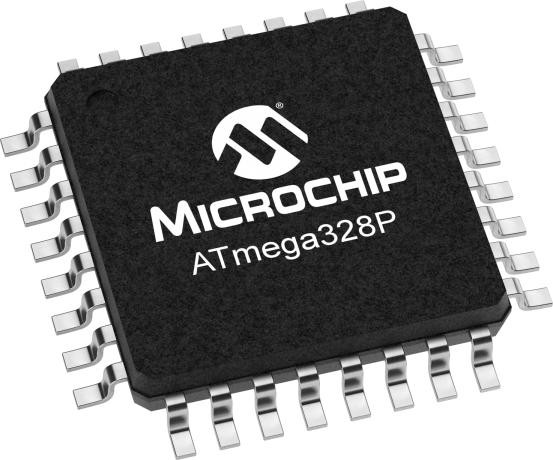
- ATmega328P (used in Arduino Uno)
- STM32F103C8T6 (ARM Cortex-M3 based MCU)
- PIC16F877A (Microchip legacy MCU)
- ESP32 (WiFi + Bluetooth enabled MCU)
Microcontrollers are optimized for real-time applications, low power consumption, and cost-sensitive designs.
What is a Microprocessor?
A microprocessor (MPU) is a powerful processing unit that requires external components such as RAM, storage, and peripherals to function. It is used in systems requiring high computational power.
Common microprocessor examples include:
- Intel Core i7 (desktop CPU)
- ARM Cortex-A53 (used in Raspberry Pi)
- Qualcomm Snapdragon SoC
- AMD Ryzen processors
Microprocessors are used in complex systems such as computers, smartphones, and high-end embedded systems.
Microcontroller vs Microprocessor: Core Differences
| Feature | Microcontroller (MCU) | Microprocessor (MPU) |
|---|---|---|
| Integration | CPU + RAM + Flash + Peripherals on one chip | Only CPU, requires external components |
| Power Consumption | Very low (ideal for battery devices) | High |
| Performance | Moderate | High |
| Cost | Low | Higher system cost |
| Applications | Embedded systems, IoT, appliances | Computers, smartphones, advanced systems |
Architecture Comparison
Microcontrollers typically use Harvard architecture (separate memory for instructions and data), which improves efficiency for embedded tasks.
Microprocessors use Von Neumann architecture, allowing more flexibility and complex operations but at the cost of higher power consumption.
Real-World Example Comparison
ATmega328P vs ARM Cortex-A53
- ATmega328P: 8-bit MCU, 16 MHz, used in Arduino
- Cortex-A53: 64-bit MPU core, used in Raspberry Pi
The ATmega328P is ideal for controlling sensors and simple automation, while Cortex-A53 handles multitasking, operating systems, and graphical interfaces.
Use Cases: When to Use a Microcontroller
- IoT devices (ESP32, STM32)
- Home automation systems
- Industrial control systems
- Wearables and battery-powered devices
If your system needs real-time response, low power, and minimal cost, a microcontroller is the best choice.
Use Cases: When to Use a Microprocessor
- Running Linux or Android
- Image processing systems
- AI and machine learning applications
- High-speed networking devices
If your application requires high performance, multitasking, and advanced computing, choose a microprocessor.
Hybrid Systems (MCU + MPU)
Modern designs often combine microcontrollers and microprocessors. For example, an STM32 microcontroller may handle real-time control, while a Cortex-A processor runs the user interface and operating system.
Power Consumption Comparison
Microcontrollers like STM32 can operate in microamp sleep modes, making them ideal for battery-powered devices. Microprocessors typically consume watts of power and require thermal management.
Cost Analysis
MCUs such as ATmega328P or PIC16F877A cost only a few dollars, while MPU-based systems require RAM, storage, and power management, increasing total system cost significantly.
Future Trends (2026 and Beyond)
- Rise of AI-enabled microcontrollers (TinyML)
- Integration of wireless connectivity (ESP32, ESP8266)
- Advanced SoCs blending MCU and MPU features
- Growth of edge computing devices
Conclusion
The difference between a microcontroller and a microprocessor comes down to integration, power, and performance. Microcontrollers are perfect for embedded, low-power applications, while microprocessors are designed for high-performance computing.
Choosing the right component depends on your project requirements, budget, and scalability needs.
Need help selecting the right microcontroller or microprocessor? Explore our latest components and solutions at Simplytronix.